
A Practical Guide on Security Solutions for Commercial Properties in London
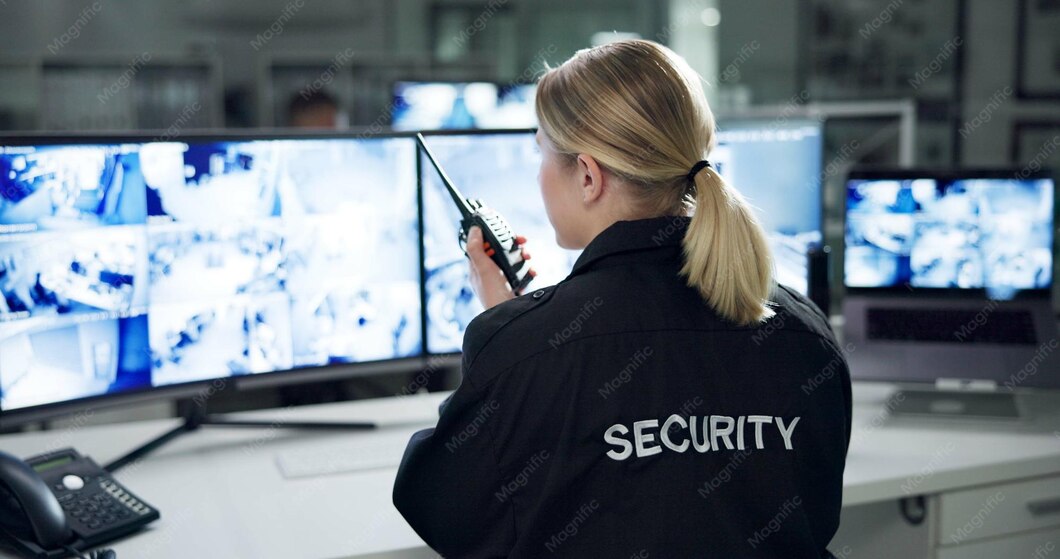
Running a commercial property in London comes with a long list of operational responsibilities. Security sits firmly at the top of that list, yet it is one of the areas most likely to be managed reactively rather than strategically. A break-in, an access breach, or an incident involving staff or visitors tends to be the prompt that finally pushes businesses into reviewing their security arrangements, when ideally that review should happen long before any of those events occur.
Modern commercial security is not a single product or service. It is a layered strategy that combines physical presence, technology, and controlled access into a cohesive system. When those layers work together properly, the result is not just a more secure building. It is an environment where staff feel safe, operations run more smoothly, and potential threats are identified and managed before they escalate.
Physical Guarding
Technology can monitor, record, and alert. What it cannot do is exercise judgement in the moment, de-escalate a difficult situation, or provide the visible deterrent that comes from having a trained, uniformed officer on site. Physical guarding remains the cornerstone of commercial security for that reason.
For commercial properties in London, manned guarding serves several distinct functions. The most obvious is deterrence. The presence of a professional security officer at an entrance significantly reduces the likelihood that opportunistic threats materialise at all. Beyond deterrence, guards perform access management, monitor visitor flow, respond to incidents, and act as the first point of contact in an emergency.
All officers deployed by a reputable provider should hold valid SIA licences, which are a legal requirement under the Private Security Industry Act 2001 for anyone carrying out licensable security activity in the UK. Companies that hold SIA Approved Contractor Scheme (ACS) accreditation have been independently assessed against professional standards across their entire operation, which is a meaningful quality indicator when selecting a provider.
Electronic Security
Electronic security systems extend that coverage across the entire property, including spaces that would otherwise be unmonitored. For commercial buildings with multiple floors, large footprints, or out-of-hours activity, electronic systems are not optional extras. They are core components of an effective security setup.
The main electronic security components for commercial properties include:
Gates, barriers, and perimeter control: For sites with vehicle access points, automated gates and barriers provide a controlled entry layer that works in conjunction with both electronic monitoring and manned guarding.
CCTV installation and monitoring: High-definition cameras positioned across entry points, common areas, car parks, and loading bays provide continuous coverage. When integrated with a professional monitoring centre, CCTV moves from a passive recording tool to an active security measure.
Intruder and burglar alarms: Properly installed alarm systems detect unauthorised entry and trigger a response. The quality of that response depends on whether the alarm is connected to a professional keyholding and alarm response service, which ensures that activations are attended to promptly regardless of the time of day.
Fire alarms and fire watch services: In commercial properties, fire detection is both a legal obligation and a practical necessity. Integrated fire alarm systems, combined with trained fire watch personnel where required, ensure that the response to any fire-related incident is immediate and compliant.
The value of these systems increases significantly when they are managed by the same provider handling your physical guarding.
Access Control
Access control is the layer of commercial security that most directly governs the movement of people within a building. It goes beyond locking and unlocking doors. A well-designed access control system tells you who accessed which areas, at what time, and whether that access was authorised. That information is invaluable both for day-to-day operations and for any post-incident investigation.
For businesses with sensitive areas, such as server rooms, executive floors, or areas housing high-value stock, the ability to restrict access by role and to monitor entries in real time is a significant security upgrade over traditional lock-and-key arrangements.
Access control works best when it is integrated with CCTV and alarm systems, creating a joined-up picture of building activity rather than a series of disconnected data points. Providers who design and install these systems with integration in mind from the outset will deliver considerably more value than those treating each component as a standalone installation.
Keyholding and Alarm Response
Alarm activations rarely happen during office hours. Whether triggered by a genuine intruder, an environmental issue, or an accidental activation, an alarm that goes unanswered defeats the purpose of having the system in the first place. Professional keyholding and alarm response services ensure that every activation is attended to promptly by a licensed officer, regardless of when it occurs.
This removes the burden from business owners and facilities managers who would otherwise be the ones receiving alarm calls at 2am and deciding whether to attend. It also removes the risk to staff who might otherwise be asked to attend a property when the cause of the alarm is unknown.
Keyholding services extend beyond alarm response to cover out-of-hours access requirements, emergency lockouts, and scheduled lock and unlock services for properties that need regular opening and closing without permanent on-site staff.
Why an Integrated Security Strategy Outperforms a Patchwork of Services
The most common mistake commercial property managers make when structuring their security is using different providers for different functions. One company for guarding, another for CCTV, a third for alarms, and perhaps a fourth for access control. On paper, this might appear to offer flexibility. In practice, it creates accountability gaps, communication delays, and a fragmented view of your security posture.
When a single provider is responsible for all of these functions, there is one point of contact, one contract, and one team that understands how the different elements interact. If an alarm is triggered, the response team has immediate access to the CCTV footage. If an access control log shows a suspicious pattern of entries, the guarding team can be briefed accordingly. The system works as a whole rather than as a collection of parts.
At Lexnis Services, this integrated approach is central to how we work. Our services span manned guarding, electronic security, access control, keyholding, and facilities management, all delivered under one roof and coordinated by a dedicated account management team.
Getting Your Commercial Security Right from the Start
Commercial property security in London does not need to be complicated, but it does need to be deliberate. The businesses and landlords that manage it most effectively are those who take time to understand the threat environment their property faces, identify the layers of protection they need, and select a provider with the depth and track record to deliver across all of them.
If your current security arrangements are fragmented, reactive, or simply uncertain, now is the right time to review them. A conversation with an experienced provider will quickly highlight where the gaps are and what a properly structured solution would look like for your specific property and operational needs.
To find out how Lexnis Services can support your commercial property, get in touch with our team today.