
Front of House and Concierge Security in London: What Modern Buildings Require
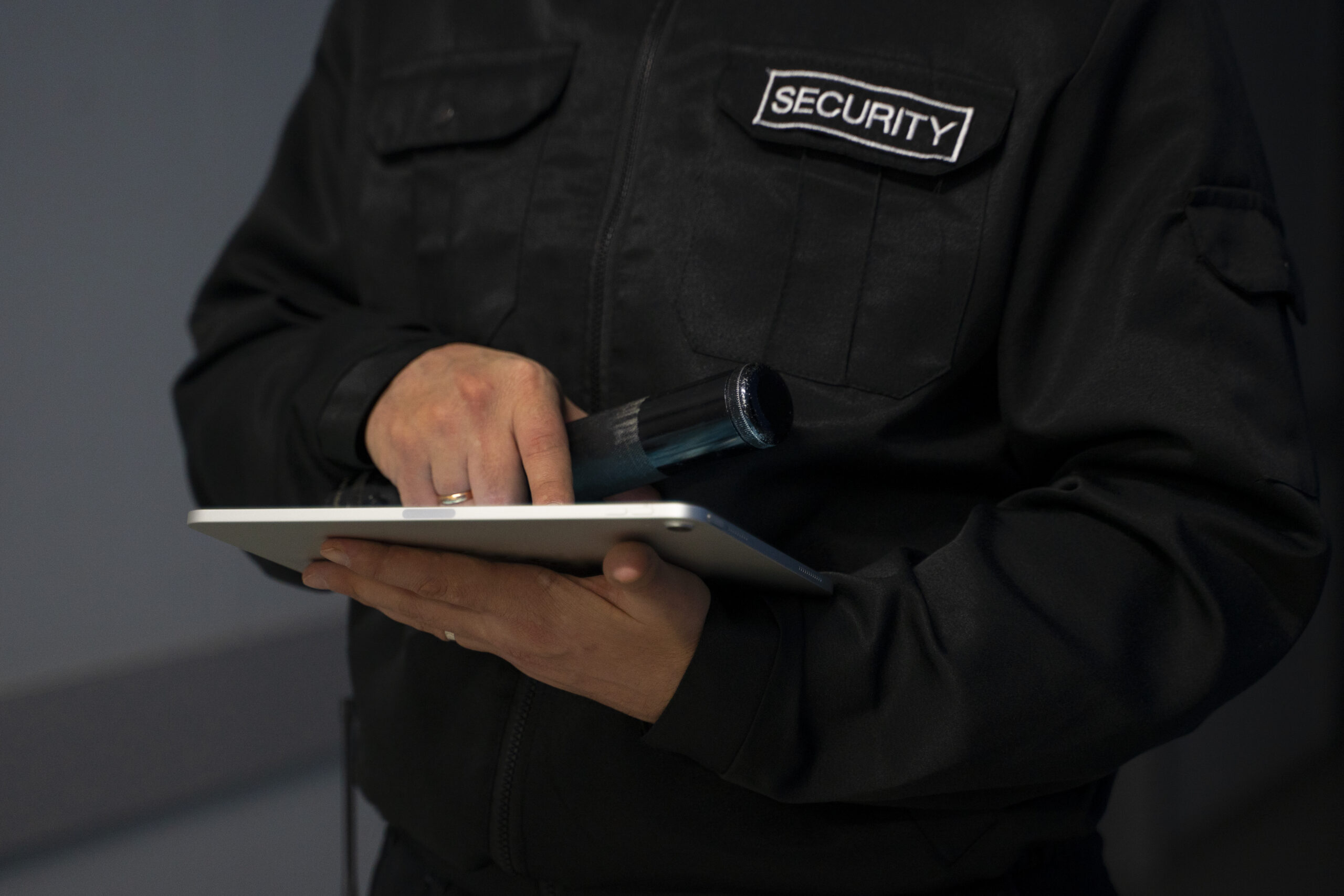
Walk into any well-managed commercial building in London and the experience tells you something immediately. There is a professional at the front, the space feels controlled without feeling cold, and you know exactly where you are supposed to go. That is not accidental. It is the result of a front-of-house security operation that has been set up deliberately and staffed by people who understand the full scope of the role.
What that role actually involves is often misunderstood. Front-of-house and concierge security is not traditional guarding with a friendlier uniform. It is a distinct discipline that sits at the intersection of security and service, and in London’s modern commercial and residential developments, it has become one of the most operationally important roles in any building.
This guide explains what that role looks like in practice, where it fits within a wider security strategy, and what building managers should be looking for when they put it in place.
More Than a Welcome: The Security Function Behind the Front Desk
The front desk of a busy London building handles a significant volume of decisions every single day. Who gets in and who does not. Whether a visitor’s credentials check out. Whether the contractor signing in has the right authorisation for the work they say they are here to do. Whether the individual who has been standing in the lobby for fifteen minutes has a legitimate reason to be there.
These are security decisions. They require training, situational awareness, and confident judgement under pressure. A front-of-house officer who has only been prepared for the hospitality side of the role is not equipped to make them reliably, and the gaps that creates are exactly the kind that get exploited.
Professional manned guarding at the front of house means deploying SIA-licensed officers who have been trained for both dimensions of the role. The service element and the security element are treated as equally important, because in practice, they are.
Access Control: Where the Human Layer Makes the Difference
Modern buildings rely heavily on technology to manage who enters and where they can go. Access control systems using key cards, fobs, and biometric readers provide a robust framework for restricting movement and logging entries. They are an essential part of the picture. They are not the whole picture.
Technology verifies credentials. People verify context. When someone presents a valid pass but their behaviour is inconsistent with a legitimate visit, it is a trained officer who picks up on that. When a visitor attempts to tailgate an authorised person through a controlled entry point in the middle of a busy morning rush, it is a trained officer who spots it and responds. No system catches everything that a well-trained front-of-house professional would catch.
This is particularly significant in high-footfall environments. Corporate headquarters, multi-tenant office buildings, and mixed-use developments in London can see hundreds of people moving through their entrances before midday. Managing that flow securely, without creating friction or an atmosphere that feels hostile, is a skill that takes time and training to develop.
Visitor Management Done Properly
Visitor management is one of the areas where the front-of-house function either earns its value or quietly fails. Most buildings have some form of visitor process in place. Far fewer have one that is followed consistently, particularly during busy periods when the temptation to wave people through without completing the usual steps is at its highest.
A properly structured visitor management operation handles pre-registered visitors, walk-ins, contractors, and deliveries through clearly defined processes that do not vary based on how busy the lobby is. Pre-registered visitors are welcomed and processed efficiently. Unannounced arrivals are verified before being permitted beyond the reception area. Contractors are signed in, issued with appropriate identification, and directed to a point of contact rather than given free rein through the building.
When this is backed by the right electronic security systems, including digital visitor logs and integration with CCTV monitoring, the front-of-house team has the tools to do its job properly even under pressure.
Concierge Security in Residential Developments
The expectations placed on concierge security in a residential setting are shaped differently to those in a commercial building, though the underlying requirements are the same. Residents want to feel at home. They want a concierge who handles their deliveries, manages their guests, and is genuinely helpful day to day. What they also want, even if they rarely put it in those terms, is to know their building is properly protected.
Delivering both simultaneously is the defining challenge of residential concierge security. Officers need the interpersonal skills to build relationships with residents while maintaining the vigilance to identify and respond to genuine security concerns. A concierge operation that prioritises warmth at the expense of security standards creates risk. One that prioritises security at the expense of the resident experience creates a building that feels institutional rather than welcoming.
The best operations do both, consistently, across every shift. That requires careful recruitment, thorough training, and a management structure that holds standards in place over time.
Why Integration with the Wider Security Operation Matters
Front-of-house security performs at its best when it is connected to the wider security operation rather than functioning as a standalone presence. When officers have visibility of relevant CCTV feeds, when they are supported by keyholding and alarm response teams for out-of-hours incidents, and when they receive regular briefings on security intelligence relevant to their building, the quality of their decision-making improves significantly.
Buildings that split their security provision across multiple providers tend to experience exactly the kind of communication gaps that reduce overall effectiveness. When a single provider manages physical guarding, electronic systems, and monitoring under one operation, information flows without delay and response is coordinated. That is a meaningfully better security outcome for the building and everyone in it.
At Lexnis Services, our front-of-house and concierge officers are part of an integrated security operation covering everything from access control to electronic monitoring. If you would like to talk through what the right setup looks like for your building, get in touch with our team and we will put together a solution that fits.